

Nutrient
A nutrient is a substance used by an organism to survive, grow and reproduce. The requirement for dietary nutrient intake applies to animals, plants, fungi and protists. Nutrients can be incorporated into cells for metabolic…
22 мая 2026 г.
Журнал
Статьи наших специалистов о профилактике, лечении и образе жизни.
A nutrient is a substance used by an organism to survive, grow and reproduce. The requirement for dietary nutrient intake applies to animals, plants, fungi and protists. Nutrients can be incorporated into cells for metabolic…
22 мая 2026 г.

Methylation, in the chemical sciences, is the addition of a methyl group on a substrate, or the substitution of an atom by a methyl group. Methylation is a form of alkylation, with a methyl group…
22 мая 2026 г.
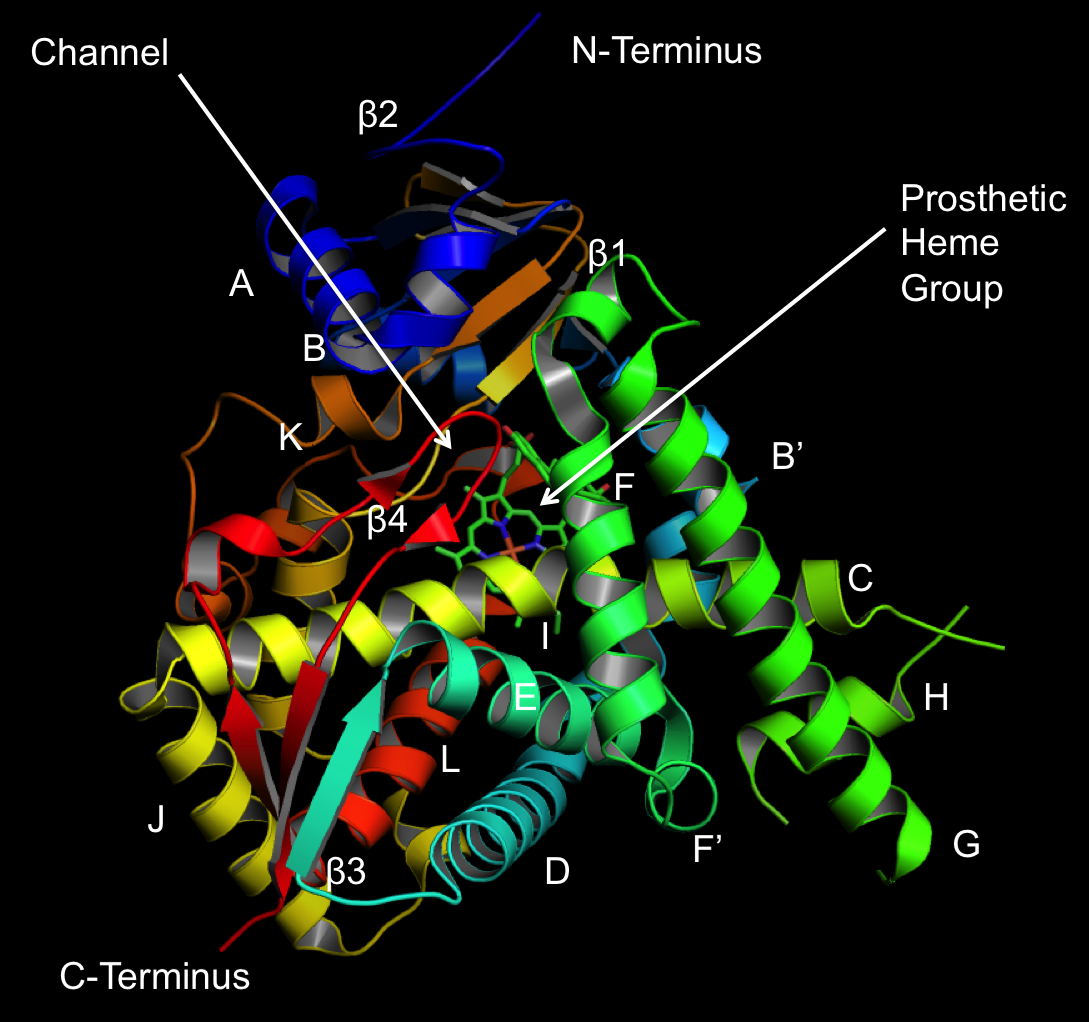
Cytochromes P450 are a superfamily of enzymes containing heme as a cofactor that mostly, but not exclusively, function as monooxygenases. However, they are not omnipresent; for example, they have not been found in Escherichia coli.…
22 мая 2026 г.

Caffeine is a central nervous system (CNS) stimulant of the methylxanthine class and is the most commonly consumed psychoactive substance globally. It is mainly used for its eugeroic, ergogenic, or nootropic (cognitive-enhancing) properties; it is…
22 мая 2026 г.
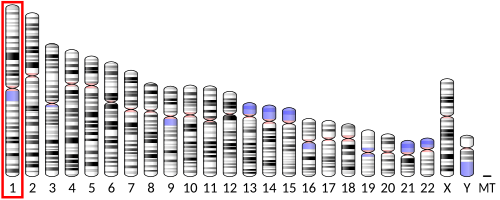
Methylenetetrahydrofolate reductase (MTHFR) is the rate-limiting enzyme in the methyl cycle, and it is encoded by the MTHFR gene. Methylenetetrahydrofolate reductase catalyzes the conversion of 5,10-methylenetetrahydrofolate to 5-methyltetrahydrofolate, a cosubstrate for homocysteine remethylation to methionine.…
22 мая 2026 г.
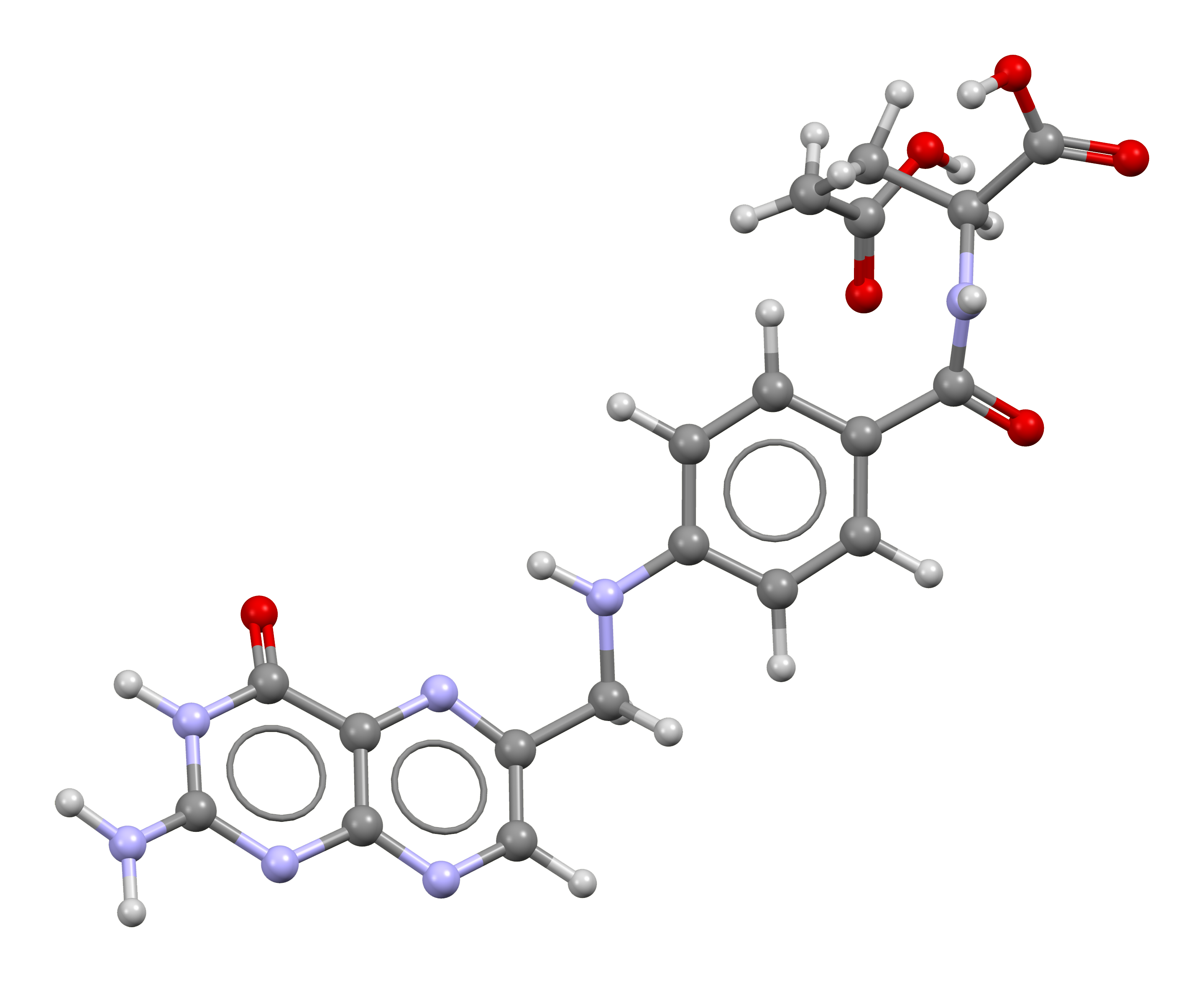
Folate, also known as vitamin B9 and folacin, is one of the B vitamins. Folate is required for the body to make DNA and RNA and metabolise amino acids necessary for cell division and maturation…
22 мая 2026 г.
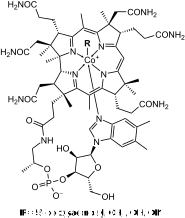
Vitamin B12, also known as cobalamin or extrinsic factor, is a water-soluble vitamin involved in metabolism. One of eight B vitamins, it serves as a vital cofactor in DNA synthesis and both fatty acid and…
22 мая 2026 г.
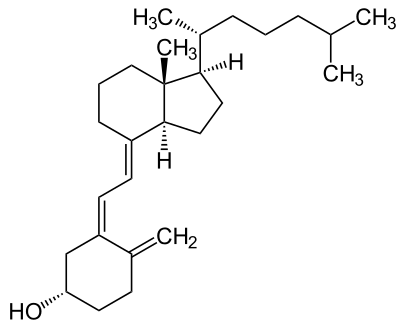
Vitamin D is a group of structurally related, fat-soluble compounds responsible for increasing intestinal absorption of calcium and phosphate, along with numerous other biological functions. In humans, the most important compounds within this group are…
22 мая 2026 г.
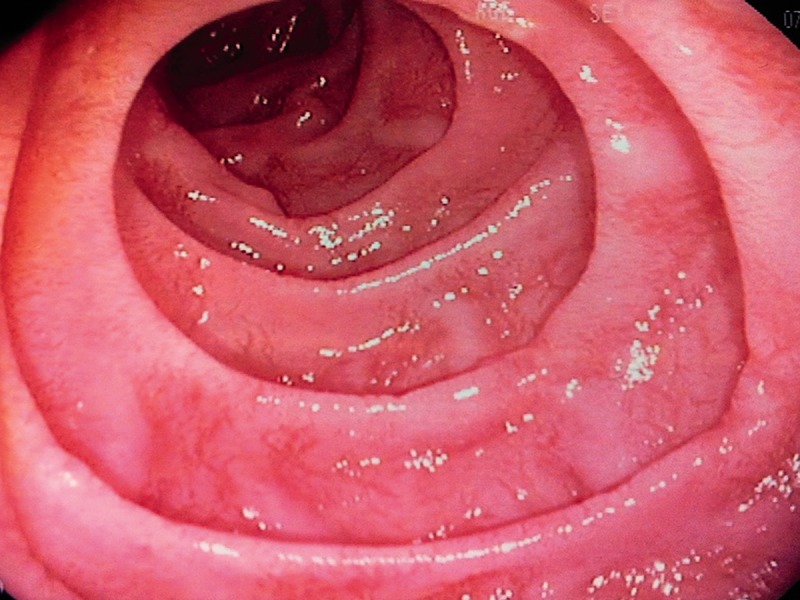
Coeliac disease or celiac disease is a chronic autoimmune disease, mainly affecting the small intestine. It is caused by an abnormal immune system response to gluten, a protein found in wheat and other grains such…
22 мая 2026 г.
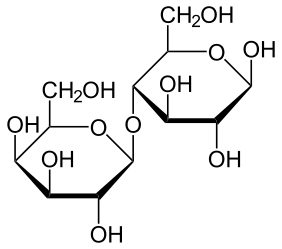
Lactose intolerance is caused by a lessened ability or a complete inability to digest lactose, a sugar found in dairy products. Humans vary in the amount of lactose they can tolerate before symptoms develop. Symptoms…
22 мая 2026 г.

Nutritional genomics, also known as nutrigenomics, is a science studying the relationship between human genome, human nutrition and health. People in the field work toward developing an understanding of how the whole body responds to…
22 мая 2026 г.

Genetic predisposition refers to a genetic characteristic which influences the possible phenotypic development of an individual organism within a species or population under the influence of environmental conditions. The term genetic susceptibility is often used…
22 мая 2026 г.